
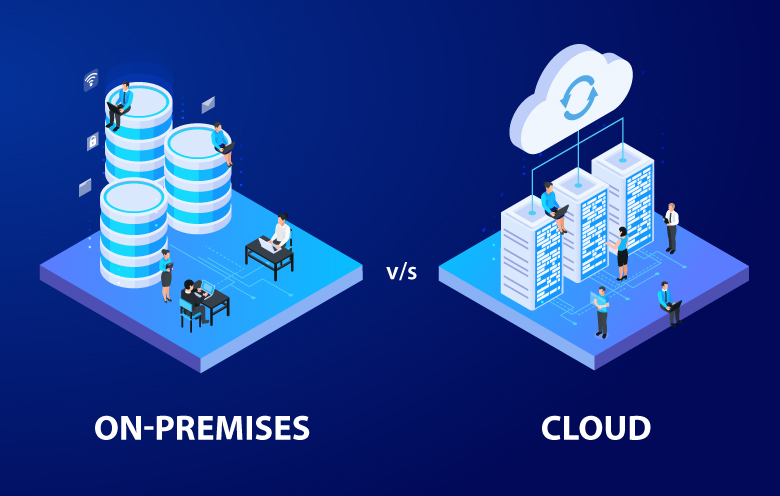
Cloud vs on-premises infrastructure is one of the most important decisions businesses face when building modern IT systems. Choosing the right infrastructure helps organizations create secure, reliable, and scalable digital platforms. Both cloud computing and on-premises infrastructure offer unique advantages depending on business goals, security requirements, and operational needs.
What is Cloud Infrastructure?
Cloud infrastructure stores applications and data on remote servers managed by third-party providers. Businesses access these systems through the internet instead of maintaining physical servers.
Cloud solutions offer several advantages. They provide flexibility and allow businesses to scale resources quickly when demand increases. Companies also save money because they do not need to purchase expensive hardware or maintain large data centers.
Popular platforms such as Amazon Web Services and Microsoft Azure provide powerful cloud services. These platforms help businesses deploy applications faster and manage resources efficiently.
Cloud systems also support remote access. Employees can securely access applications and data from anywhere. This capability makes cloud infrastructure ideal for modern and rapidly growing organizations.
What is On-Premises Infrastructure?
On-premises infrastructure means that servers, applications, and data are hosted within a company’s own facilities. The organization manages the entire system internally.
This model provides greater control over IT systems and security. Companies can customize their infrastructure according to their specific operational needs.
Businesses in regulated industries often prefer on-premises systems. Organizations that manage sensitive data require strict security and compliance controls.
Although on-premises infrastructure requires higher initial investment, it offers stability and direct control over critical business systems.
Hybrid Infrastructure: The Modern Approach
Many organizations now adopt a hybrid infrastructure model. This approach combines cloud flexibility with on-premises control.
Hybrid systems allow businesses to store sensitive data on local servers while using the cloud for scalable applications and services. This combination creates a balanced and efficient IT environment.
Choosing the Right Infrastructure for Your Business
Selecting the right infrastructure depends on several factors. Businesses should evaluate security requirements, scalability needs, operational costs, and long-term technology strategies.
Companies planning digital transformation often consult experienced technology providers such as Curevix to design reliable infrastructure solutions.
With the right strategy, businesses can build an IT environment that supports growth, innovation, and long-term success.
Leading cloud platforms such as Amazon Web Services and Microsoft Azure provide scalable infrastructure that helps businesses deploy applications faster.